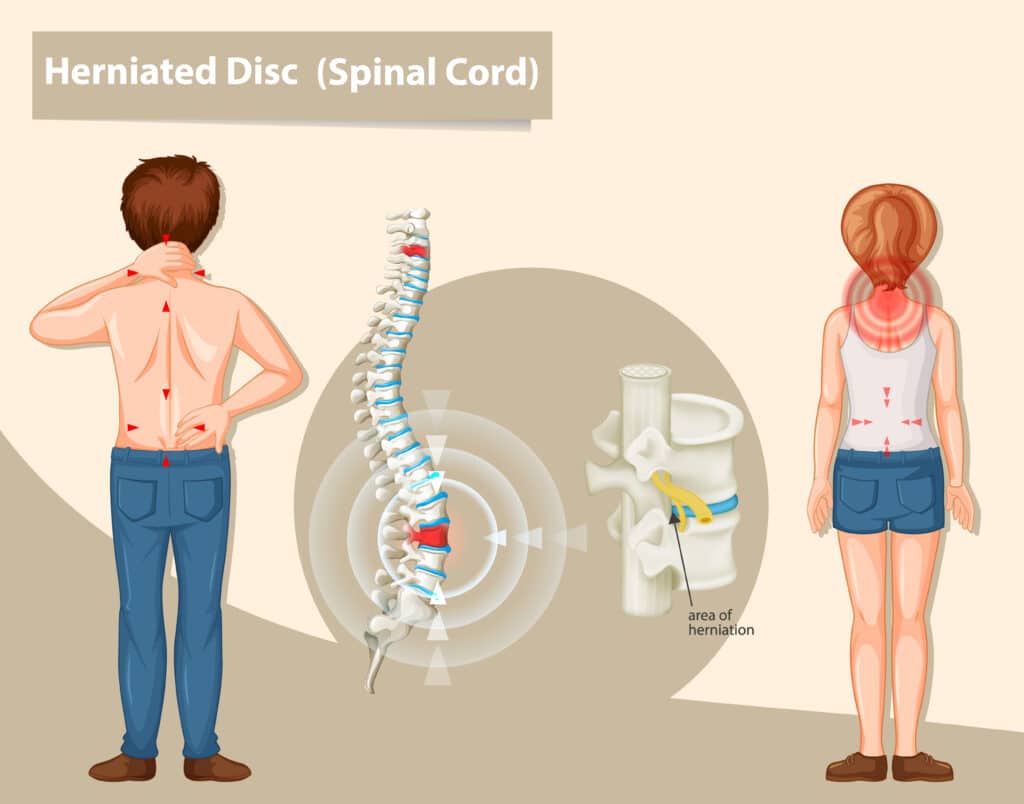

If you are reading this, there is a good chance you have heard the sentence that follows so many people with fibromyalgia from appointment to appointment: “All your tests are normal.” You are exhausted in a way that sleep does not fix, you hurt in places that move and spread and refuse to follow the rules of injury, your mind feels wrapped in fog — and yet every scan is clean and every standard blood result sits inside the reference range. You have come looking for a fibromyalgia root cause treatment because you want to understand why your body feels like this, not just how to quiet it down. That instinct is a good one, and this article is written to meet you there.
Here is the reframe at the heart of everything that follows. Fibromyalgia is real, it is biological, and it is far more than “widespread pain of unknown origin.” A growing body of mainstream research now points to measurable changes in the nervous system, the immune system, the mitochondria and the gut in people living with fibromyalgia — changes that the standard workup was simply never designed to look for. Understanding those changes is where a thoughtful, integrative, root-cause approach can genuinely help, always alongside the care of your own doctor rather than instead of it.
Let us walk through it slowly and clearly: what fibromyalgia actually is, why the usual tests come back normal, the biology that may sit beneath the pain, the surprising role of vitamin D, and what a sensible, safe, whole-person plan looks like.
Fibromyalgia Is Not “All in Your Head” — and It Is Not a Diagnosis of Nothing
The first and most important idea to hold onto is this: fibromyalgia is not a psychological failing, and it is not a label doctors use when they cannot find anything wrong.
For a long time, because no obvious lesion showed up on ordinary imaging or routine blood tests, fibromyalgia was often treated as a diagnosis of exclusion — a name given after everything “real” had been ruled out. Many people were told, gently or otherwise, that the problem was stress, anxiety, or the way they were thinking about their pain. According to the US National Institute of Arthritis and Musculoskeletal and Skin Diseases (NIAMS), fibromyalgia is a genuine chronic condition characterised by widespread pain, fatigue, sleep problems and difficulties with memory and concentration — not an imagined one.
What has changed in recent years is the science. Newer research tools — specialised brain imaging, skin biopsies that count nerve fibres, studies of the gut microbiome — have started to reveal measurable biological differences in people with fibromyalgia. The pain was always real. The tools that could see the biology behind it simply were not part of the routine workup.
That single shift reframes the whole conversation. If fibromyalgia has measurable biological drivers, then the goal is not only to dampen the pain signal, but also to ask a bigger question: what is keeping this system so switched on in the first place?
What Fibromyalgia Actually Feels Like
Before any biology, it helps to name the lived experience — because so many people with fibromyalgia have spent years feeling unseen.
The pain of fibromyalgia is unlike the pain most doctors are trained to assess. It is not a clear, localised signal from a single damaged structure. It is widespread and it moves. Today it settles in the shoulders and neck; tomorrow the hips; the day after, the whole back feels compressed. There are tender spots that flinch at pressure that would not bother most people at all. Sometimes even a hug can feel like too much.
Then there is the fatigue — and this is not ordinary tiredness that a good night fixes. People describe sleeping eight or nine hours and waking more exhausted than when they lay down. This “non-restorative sleep” — sleep that happens but does not seem to repair — is one of the cardinal features of fibromyalgia. Research has found altered levels of a pain-signalling molecule called substance P in the nervous system of people with fibromyalgia, which may help explain why deep, restful sleep is so hard to reach.
And there is the “fibro fog”: words that slip away mid-sentence, attention that will not hold, a sense of running at half power. This is not simply anxiety or low mood — although those can certainly travel alongside it — and it deserves to be understood as part of the condition, not as a character flaw.
Very often the gut is in the picture too: bloating, reflux, and irritable-bowel patterns of constipation and looseness. Studies have repeatedly found that gut symptoms are extremely common in people with fibromyalgia. As we will see, that is not a coincidence.
If any of this feels like a description of your own life, take one thing from this section before we go further: you are not imagining it, and it is not your fault.
The Paradigm Shift: Central Sensitization Is Real, but It Is Not the Root
For years, the leading medical explanation for fibromyalgia has been central sensitization — and it is worth saying clearly that this model got something genuinely right.
Central sensitization means the central nervous system — the spinal cord and brain — has become turned up, processing pain signals with a volume far louder than the actual input deserves. A light touch that should register as nothing is experienced as pain; pressure that should be tolerable feels severe. This amplification is measurable and real, and the central-sensitization model identified it correctly.
But there is a question hiding behind it: what caused the volume to be turned up in the first place? Central sensitization is not usually a first event that appears out of nowhere. It is more like a consequence — the nervous system responding to something upstream that changed its biology. And that “something upstream” is exactly where a root-cause lens starts to look.
Think of it as the difference between a smoke alarm that will not stop shrieking and the smouldering wire behind the wall. Silencing the alarm is valuable, and sometimes necessary. But it is not the same as finding what is still warm.
Five Biological Layers That May Sit Beneath the Pain
Current research suggests fibromyalgia is rarely driven by one single mechanism. Instead, several biological layers appear to overlap and reinforce one another. You do not need to memorise these — the point is simply to see that there is a biology here, and that it is being actively studied.
1. Neuroinflammation — the brain’s own immune cells, activated
Your brain has its own immune cells, called microglia. Normally they activate briefly to deal with a threat and then settle back down. In fibromyalgia, advanced PET brain-imaging research has found evidence of widespread activation of these glial cells — as if the brain’s immune sentinels are stuck in a low-grade, switched-on state. In some studies, the degree of this activation tracked with how severe people’s fatigue was. This is not visible on an ordinary MRI, which is one reason it went unrecognised for so long.
2. Small-fibre neuropathy — a quiet nerve change at the surface
This may be the most striking recent finding. The body’s smallest nerve fibres — the ones woven through the skin that handle temperature, light touch and diffuse aching — are not measured by standard nerve-conduction tests. When researchers looked properly, using skin biopsies that actually count these fibres, they found reduced small-fibre density in a large share of people with fibromyalgia. In other words, there is a measurable change at the nerve level in many patients; the routine tests just were not designed to detect it.
3. Mitochondrial strain — why the fatigue is so deep
Mitochondria are the tiny power plants inside every cell, turning nutrients into usable energy. Several studies of muscle and skin samples from people with fibromyalgia have pointed to mitochondria that are working below par, with signs of oxidative stress and lower levels of a key energy-transfer molecule called coenzyme Q10 (CoQ10). If your cellular power supply is running low, the bone-deep fatigue that sleep does not fix starts to make biological sense — it is an energy-production problem, not a motivation problem.
4. Gut disruption — the microbiome and the gut–brain axis
A large share of your immune system lives in and around your gut, and the gut talks constantly to the brain through what scientists call the gut–brain axis. In fibromyalgia, researchers have found shifts in the balance of gut bacteria, including reductions in helpful, calming species. One large population study even found that heavier past use of antibiotics — which disrupt the microbiome — was associated with a higher likelihood of later being diagnosed with fibromyalgia. That does not prove antibiotics cause fibromyalgia, but it strengthens the idea that gut health and this condition are meaningfully linked.
5. The vitamin D layer — a missing immune “brake”
Vitamin D behaves less like a vitamin and more like a hormone, and it helps regulate immune tone throughout the body. Research consistently finds that vitamin D levels tend to be lower in people with fibromyalgia than in those without it. Because vitamin D helps keep immune activation in check, a shortfall may remove one of the body’s natural brakes on the very inflammation described in the layers above. We will come back to this, because it connects fibromyalgia to the wider Cure4Pain story.
None of these layers is a stand-alone “cause” you can point to and fix in isolation. The more useful picture is of several systems, quietly out of balance at once, feeding into one another. And that is precisely why a one-pill, one-target approach so often disappoints.
The Vitamin D Connection: Why It Keeps Coming Up
If you have spent any time reading about chronic illness, you have probably seen vitamin D mentioned again and again — and there is a real reason for it.
Vitamin D is not really a “vitamin” at all — it behaves like a hormone. Your skin makes it from sunlight, your liver and kidneys activate it, and the active form then influences a remarkable number of genes and cells throughout the body, including immune cells. When vitamin D is adequate and working well, it appears to help keep the immune system balanced and to support healthy nerve tissue — the exact systems that look disturbed in fibromyalgia.
Two honest points of balance matter here, because this is where people are often misled:
- Association is not the same as cure. The fact that low vitamin D travels alongside fibromyalgia does not mean vitamin D by itself treats or reverses it. It means vitamin D is one important, correctable piece of a much larger picture.
- Correcting vitamin D is supportive care, not a substitute for the treatment and guidance of your own doctor. Think “and,” never “instead.”
There is also a subtler idea worth mentioning carefully. Some patients say, “But I took vitamin D and my level looked fine, and nothing changed.” Part of the explanation may be a concept sometimes called vitamin D resistance — the idea that in a body dealing with chronic inflammation, vitamin D may not act as efficiently inside the cells as a single blood number suggests. Vitamin D also depends on partner nutrients, especially magnesium, to be activated and used. What counts as an “optimal” vitamin D level in the setting of a condition like fibromyalgia is an area of genuine, ongoing clinical discussion, not settled fact — which is exactly why it should be assessed and managed by a clinician over time, never guessed at from a bottle.
If you would like the full background on why vitamin D deficiency is so widespread here despite our sunshine, our companion guide, Vitamin D Deficiency in India, walks through it in depth. For the health-professional detail on vitamin D itself, the NIH Office of Dietary Supplements fact sheet is a solid, mainstream reference.
The Safety Rule That Never Bends: No Self-Dosing
If you take one practical thing from this entire guide, let it be this: vitamin D — especially at higher strengths — is never something to self-dose at home, and no supplement plan for fibromyalgia should be built from a blog or a video.
The reasoning is simple. Vitamin D increases how much calcium your body absorbs. At sensible levels, that is exactly what you want. But pushed high without monitoring, it can raise blood calcium too much — a state called hypercalcaemia — which can strain the kidneys and heart. This risk is entirely manageable with medical supervision and regular blood tests, and entirely avoidable by simply not free-styling with high-strength supplements.
The same caution applies to the other pieces people read about — CoQ10, magnesium, herbal anti-inflammatories, gut protocols. Some have genuine research behind them; none is a reason to start experimenting alone, particularly if you take other medicines or have kidney, heart, thyroid or parathyroid conditions. The principles that make any of this safe are non-negotiable:
- It is individualised, never one-size-fits-all.
- It is monitored with appropriate blood tests over time.
- It is physician-supervised, and coordinated with the rest of your care.
- It is not a do-it-yourself protocol copied from the internet.
We are deliberately not printing any dose or target number in this article, because the right answer is different for every person and belongs in a consultation — not on a webpage.
What Might Be Keeping the System Switched On
If the five layers above are the machinery of fibromyalgia, it is fair to ask what keeps that machinery running. Research and thoughtful clinical practice point to a few recurring themes. These are areas to explore with a clinician, not self-diagnose.
- A hidden inflammatory or infection burden. Sometimes the immune system stays on alert because of a low-grade, background load the standard workup was not aimed at — which is one reason a fuller assessment can be revealing.
- Gut health. Because so much immune regulation happens in the gut, a disrupted gut lining and microbiome can keep the body’s overall inflammatory tone raised, feeding the same fire that shows up as pain and fog. This is one of the most active areas in all of immunology, not a fringe idea.
- Metabolic and hormonal strain. Blood-sugar and insulin patterns, subtle thyroid changes, and a stress-hormone (HPA-axis) rhythm thrown off by years of poor sleep can all quietly amplify inflammation and fatigue. Importantly, some of these are only visible when a doctor looks beyond the most basic tests — for example, checking thyroid function more fully rather than a single screening value.
The theme running through all of this is simple: fibromyalgia tends to be a whole-system story. That is discouraging if you were hoping for one neat fix, but it is also hopeful — because a whole-system story offers more than one place to gently intervene.
What a Fibromyalgia Root Cause Treatment Actually Involves
Bringing it together, a careful fibromyalgia root cause treatment — the kind used in thoughtful integrative clinical practice — is not a quick fix or a miracle. It is patient, ordered, and always alongside your existing care.
- A fuller assessment. Beyond confirming the diagnosis, this may mean looking at vitamin D and its cofactors, markers of inflammation, thyroid and metabolic status, and the gut and lifestyle factors feeding the picture — building a map of the whole person, not just the pain.
- An individualised plan. Correcting genuine deficiencies sensibly and under supervision, supporting the building blocks the nervous system and mitochondria depend on, and tending to the gut — matched to you, not to a template.
- Everyday levers that genuinely matter. Gentle, consistent movement (guided by how you feel, and ideally a physiotherapist); an anti-inflammatory pattern of eating rich in vegetables, whole foods and healthy fats, with less ultra-processed and sugary food; protected, prioritised sleep; and real, sustainable ways to lower stress. None of these are “soft extras” — they directly shape the biology.
- Monitoring. Repeat testing and follow-up, so the plan is adjusted safely over months. In a condition this individual, monitoring is not optional.
- Full integration with your own doctors. This complements the care you already receive. The goal is a calmer, better-supported nervous and immune system — never an excuse to stop a treatment that is helping you.
Please never start high-dose vitamin D, or stop or change any prescribed medication, on your own. Any meaningful change should be made gradually, with monitoring, and in coordination with your treating doctor.
If you would like to understand the wider philosophy behind this, our approach page walks through the science, and you can always book a consultation to talk through your own situation.
The India Angle: Familiar Sun, Unfamiliar Deficiency
There is a particular twist worth naming for readers in India.
First, vitamin D. We live in a sunny country, yet surveys consistently report that a large share of Indian adults — especially urban office-goers — are low in vitamin D, driven by indoor lifestyles, covered clothing, pollution and haze cutting the specific UVB rays needed, darker skin needing more sun to make the same amount, and a diet that provides very little of it. Since vitamin D touches the immune and nerve systems involved in fibromyalgia, that quietly common, correctable factor matters here.
Second, antibiotics and the gut. Broad-spectrum antibiotics have been widely used in India, sometimes even for viral illnesses where they cannot help. Because the gut microbiome is part of the fibromyalgia story, these repeated disruptions over years may leave many patients with a gut ecosystem that is more depleted than anyone has thought to consider.
Third, post-viral onset. India carries a heavy burden of mosquito-borne viral illness — dengue, chikungunya — as well as a large post-COVID population. A meaningful number of people describe their fibromyalgia beginning after such an illness, which fits what we know about how infections can dysregulate the immune system.
Finally, and gently, the way it is often dismissed. In many clinical settings, widespread pain, fatigue, fog and “normal” tests in a woman in mid-life are quickly attributed to stress or the menopausal transition. These attributions are rarely made unkindly — they come from frameworks that have not yet caught up with the biology of fibromyalgia. But the cost to the patient is years of suffering layered with a sense of not being believed. It bears repeating: fibromyalgia is biological, it is real, and it deserves a proper, curious assessment.
What to Realistically Expect
Let us stay honest, because that honesty is the whole point. An integrative approach to fibromyalgia is not a promise of a cure, and it is not a reason to leave conventional care behind. This is a condition that develops over years; it tends to settle slowly, with patience and consistency, not overnight.
What a good root-cause approach can offer is a body that is better supported from the ground up — steadier foundations, a calmer inflammatory and stress baseline, genuine deficiencies actually corrected, sleep and movement gently rebuilt, and a plan shaped around your individual biology rather than a label. The encouraging part is that the nervous system, the gut and the immune system all retain a real capacity to recalibrate when their drivers are addressed. For many people, working on these foundations alongside their existing care simply helps the whole picture feel more manageable and more hopeful. Results vary from person to person, and no responsible clinician can promise a specific outcome.
If you have a quick, specific question about your own situation, a 10-minute doctor query is often the easiest first step.
Want to Go Deeper? Watch the Full Explanation
If you are the kind of person who likes to really understand the why — the nerve and immune biology, the blood work, and the clinical reasoning behind all of this — we have recorded detailed, easy-to-follow videos on exactly these topics.
🎥 Watch our in-depth explainer on fibromyalgia and the immune, gut and vitamin D connections, and explore the full library on the Cure4Pain YouTube channel. We break down why the standard tests come back normal, what a fuller assessment looks for, and what a safe integrative plan involves — in plain language, with real clinical context.
Frequently Asked Questions
Is fibromyalgia a real, physical condition or is it psychological?
Fibromyalgia is a real, recognised medical condition, not a psychological failing or an “imaginary” illness. Newer research using specialised brain imaging, skin biopsies and gut studies has found measurable biological differences in people with fibromyalgia. Low mood and anxiety can travel alongside it, but they are not the cause — and being told the pain is “all in your head” reflects an outdated understanding of the biology.
Why do all my fibromyalgia tests come back normal?
Because the standard workup — routine blood counts, inflammatory markers, scans and nerve-conduction studies — was not designed to detect the changes now linked to fibromyalgia. Things like activated brain immune cells, reduced small-nerve-fibre density on skin biopsy, mitochondrial strain and gut microbiome shifts require different tools. “Normal” standard tests do not mean nothing is wrong; they mean the usual tests were looking in the wrong places.
Can fibromyalgia be treated naturally at its root cause?
An integrative, root-cause approach — correcting genuine deficiencies like vitamin D and magnesium under supervision, supporting gut health and mitochondria, and rebuilding sleep, gentle movement and stress balance — can be a valuable complement to medical care. It should be used alongside your doctor’s treatment, not instead of it, and it is not a guaranteed cure. Any supplement plan must be individualised and medically supervised, never self-dosed.
What is the connection between vitamin D and fibromyalgia?
Vitamin D acts like a hormone that helps regulate the immune system and supports nerve health. Research consistently finds lower vitamin D levels in people with fibromyalgia. It appears to be one correctable, supportive piece of the picture — not a stand-alone cure — and any correction should be individualised and medically supervised, because high doses without monitoring can raise blood calcium unsafely.
Why didn’t vitamin D supplements help my fibromyalgia?
Several reasons are possible. Vitamin D depends on cofactors like magnesium to work, chronic inflammation may blunt how well cells respond to it, and what counts as an “optimal” level in a condition like fibromyalgia is still an area of active clinical discussion. This is why vitamin D here is best assessed and managed by a clinician with proper testing over time, rather than guessed at from a single blood number.
Does gut health really affect fibromyalgia?
It appears to. A large share of the immune system sits in and around the gut, and the gut communicates constantly with the brain. Studies have found shifts in gut bacteria in people with fibromyalgia, and a link between heavier past antibiotic use and later fibromyalgia diagnosis. That is why an integrative plan so often pays attention to digestion and the gut lining as part of the bigger picture.
How do I get started safely?
Begin by continuing any care you already have, and speak with a clinician who understands both the pain side and the metabolic, nutritional and gut side of fibromyalgia. A fuller assessment and blood work come first, so any plan is built around your own results. You can book a consultation to start with your individual picture.
The Takeaway
Fibromyalgia is not “pain of unknown origin,” and it is certainly not all in your head. It is increasingly understood as a whole-system condition — a nervous system turned up too loud, brain and nerve tissue under a quiet immune strain, mitochondria running low on energy, a gut that has lost some of its balance, and often a vitamin D shortfall removing one of the body’s natural brakes. That understanding is genuinely freeing, because it opens up more than one lever to work with. A thoughtful fibromyalgia root cause treatment works alongside your existing care — correcting real deficiencies, tending to the gut and the cofactors, and using sleep, gentle movement, nutrition and stress as everyday tools to steady the whole system.
The wrong move is to keep managing each symptom in isolation, or to self-dose supplements from a bottle. The right move is to get a fuller assessment, understand your own biology, and build a supported, monitored plan with guidance. If you would like to explore what that could look like for you, book a consultation or send a quick 10-minute doctor query. Your plan should start with understanding your body — not just a label.
Written by the Cure4Pain Clinical Team · Medically reviewed by Dr. Krushal Pabari, MBBS, MD (Rheumatic & Musculoskeletal Diseases).
This article is for general education and is not medical advice. It does not replace a consultation, diagnosis, or your prescribed treatment. Fibromyalgia needs the ongoing care of qualified clinicians, and high-dose vitamin D therapy requires medical supervision and monitoring. Do not start, stop, or change any medication or supplement on your own. If you have a medical emergency, contact your nearest hospital or emergency services immediately.